How Gum Disease Treatment Stops Symptoms in Their Tracks and Protects Your Oral Health
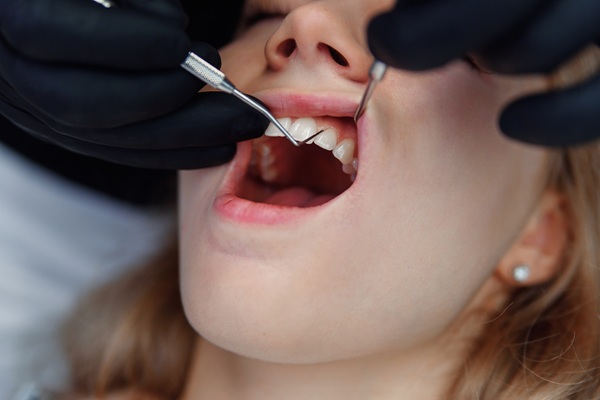
Gum disease treatment is essential for stopping painful symptoms and preventing serious oral health problems. Gum disease can lead to swollen gums, bleeding, bad breath, and even tooth loss. The good news is that early treatment may reverse the condition and restore gum health. Understanding the treatment options that can help protect your smile.
Understanding gum disease
Gum disease, or periodontal disease, is caused by bacteria that build up along the gumline. The longer plaque and tartar remain on the teeth, the more likely inflammation will occur, leading to red, swollen, and bleeding gums. In its early stage, called gingivitis, gum disease is reversible with proper care. If left untreated, it can progress to periodontitis, which damages the bone and tissues that support the teeth.
Many people do not notice the symptoms of gum disease right away. Early signs include gum tenderness, bleeding when brushing or flossing, and persistent bad breath. Seeking gum disease treatment at the first signs of trouble can stop the condition from worsening.
Professional gum disease treatment options
Dentists use different gum disease treatments depending on the severity of the condition. A professional cleaning may be enough to remove plaque and tartar for mild cases. When gum disease is more advanced, other treatments may be necessary.
- Scaling and root planing. This deep cleaning removes plaque and bacteria from below the gumline and smooths the tooth roots to help gums reattach.
- Antibacterial therapy. Dentists sometimes use antibiotics or medicated rinses to reduce bacteria and promote healing.
- Gum surgery. Severe gum disease may require surgical treatments, such as flap surgery or gum grafts, to restore damaged tissues.
No matter the level of treatment needed, early intervention can prevent further damage and keep gums healthy.
At-Home Care for Gum Health
Proper at-home care is a key part of gum disease treatment. Brushing twice daily, flossing once a day, and using an antibacterial mouthwash help keep bacteria under control. Patients should also avoid smoking, as it can make gum disease worse and slow down healing.
Regular dental checkups and cleanings are also important. Dentists recommend most people have a checkup every six months. Dentists can remove plaque and tartar that brushing alone cannot reach. They can also check for early signs of gum disease and recommend treatment before the condition worsens.
Protecting Oral and Overall Health
Gum disease does not just affect the mouth. Research has linked it to other health problems, including heart disease, diabetes, and respiratory infections. Bacteria from the gums can enter the bloodstream and contribute to inflammation.
By seeking gum disease treatment, patients are protecting their smiles and improving their overall health. Healthy gums provide a strong foundation for the teeth and support long-term oral well-being.
A Healthy Smile Starts with Healthy Gums
Gum disease treatment stops painful symptoms and prevents lasting damage to the gums and teeth. With professional care and good oral hygiene, patients can keep their gums strong and disease-free. Talk to a dentist today about how often you should see a dentist for a checkup and keep gum disease at bay.
Request an appointment here: https://www.sonomavalleydentist.com or call Audrey Kang DDS at (707) 309-0990 for an appointment in our Sonoma office.
Check out what others are saying about our dental services on Google: Gum Disease Treatment in Sonoma, CA.
Related Posts
A dental crown is a common dental restoration for protecting damaged teeth. These devices restore shape, size, and strength and improve their appearance. While dental crowns are durable, they can still sustain damage by biting down on hard objects, facial trauma, or gradual wear and tear. If you find yourself in a situation where your…
Persistent jaw discomfort often relates to the temporomandibular joint (TMJ), the hinge-like joint that connects the lower jaw to the skull. This vital joint facilitates the thousands of movements required for daily tasks such as eating, speaking, and yawning. When dysfunction occurs, the muscles and ligaments surrounding the joint become strained, leading to chronic tension…
You can get a dental crown for many reasons. Regular dental filling cannot repair excessive dental decay or damage. For this, the dentist will need a cap. Understanding the process of having a crown will enable you to prepare for the treatment. Here are the details about the dental crown treatment processThe dentist will take…
Getting a dental crown is a routine procedure. Not only does it require minimal preparation on the patient’s part, but there is also little to no downtime after the crown placement. Still, knowing what to expect when getting a dental crown can calm your nerves for the appointment.General dentists use dental crowns to restore functionality…